


Waterproof Moldable Wall Seal Putty
Stop Leaks Before They Get Worse
Waterproof Moldable Wall Seal Putty
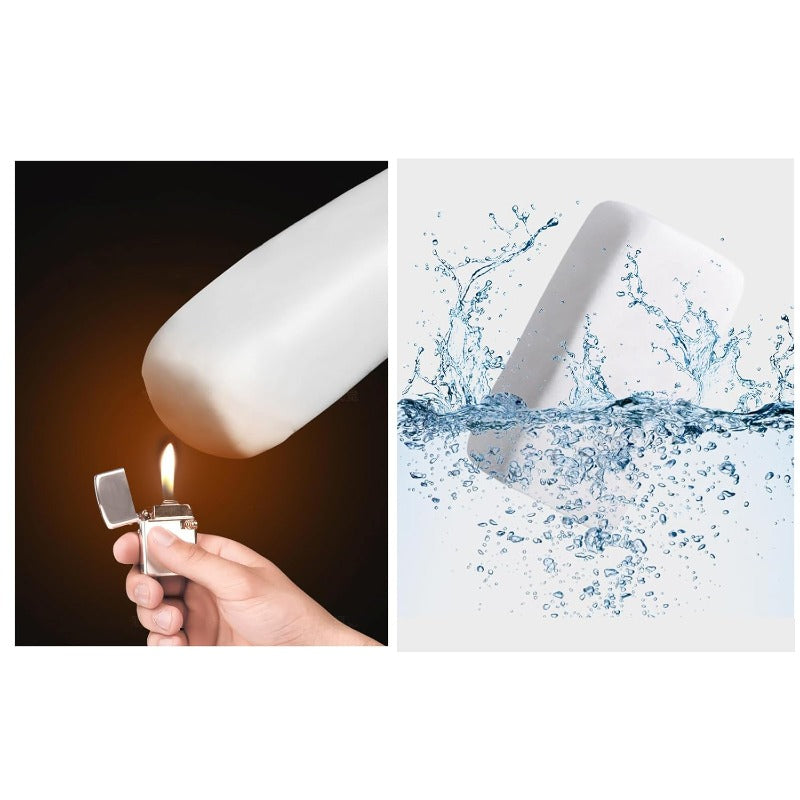
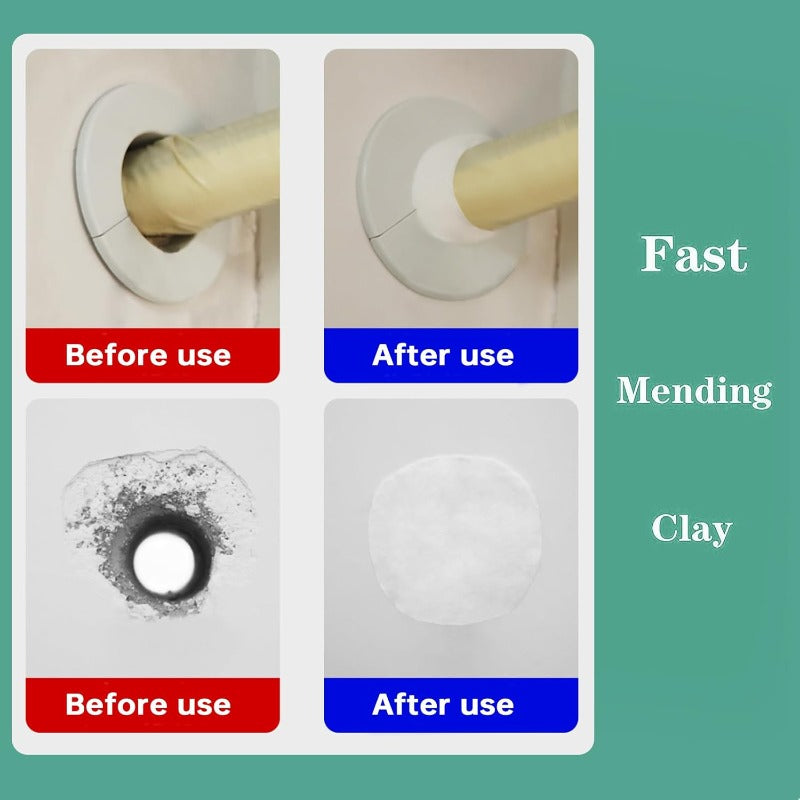
Seal cracks, fill holes, and repair damaged surfaces with a waterproof, moldable putty that's easy to apply and built to last.
✔ Waterproof Protection
✔ Easy to Shape
✔ Strong Adhesion
✔ Indoor & Outdoor Use
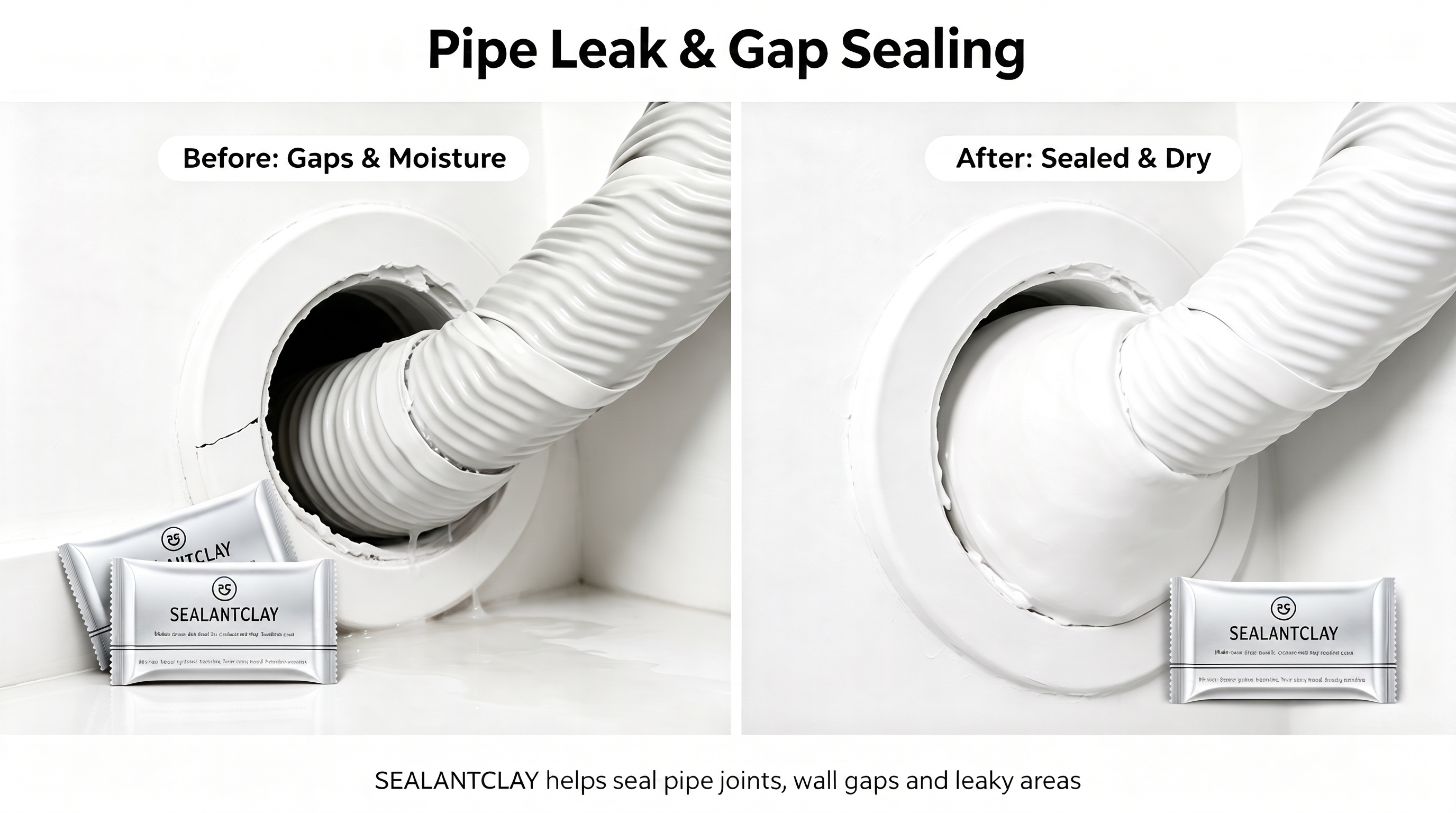
Moldable Waterproof Repair Sealing Clay
Seal Gaps & Block Odors
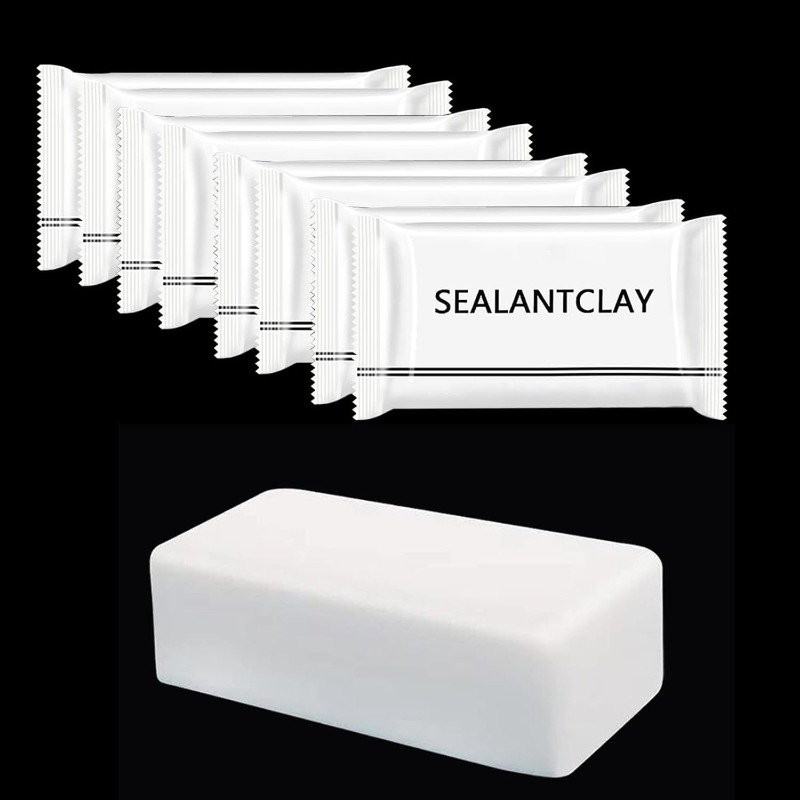
Soft & Flexible Texture
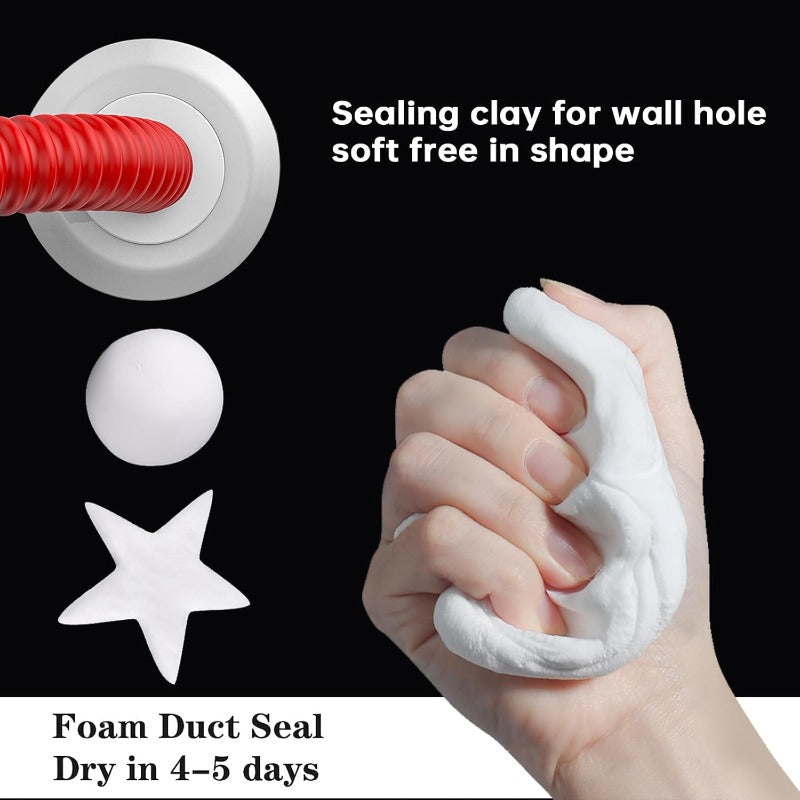
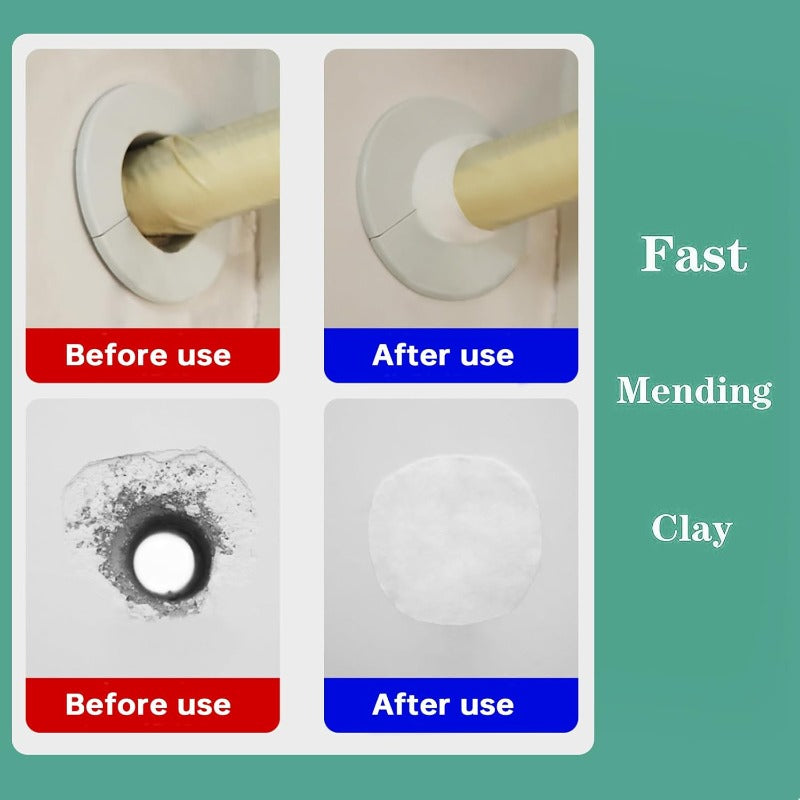
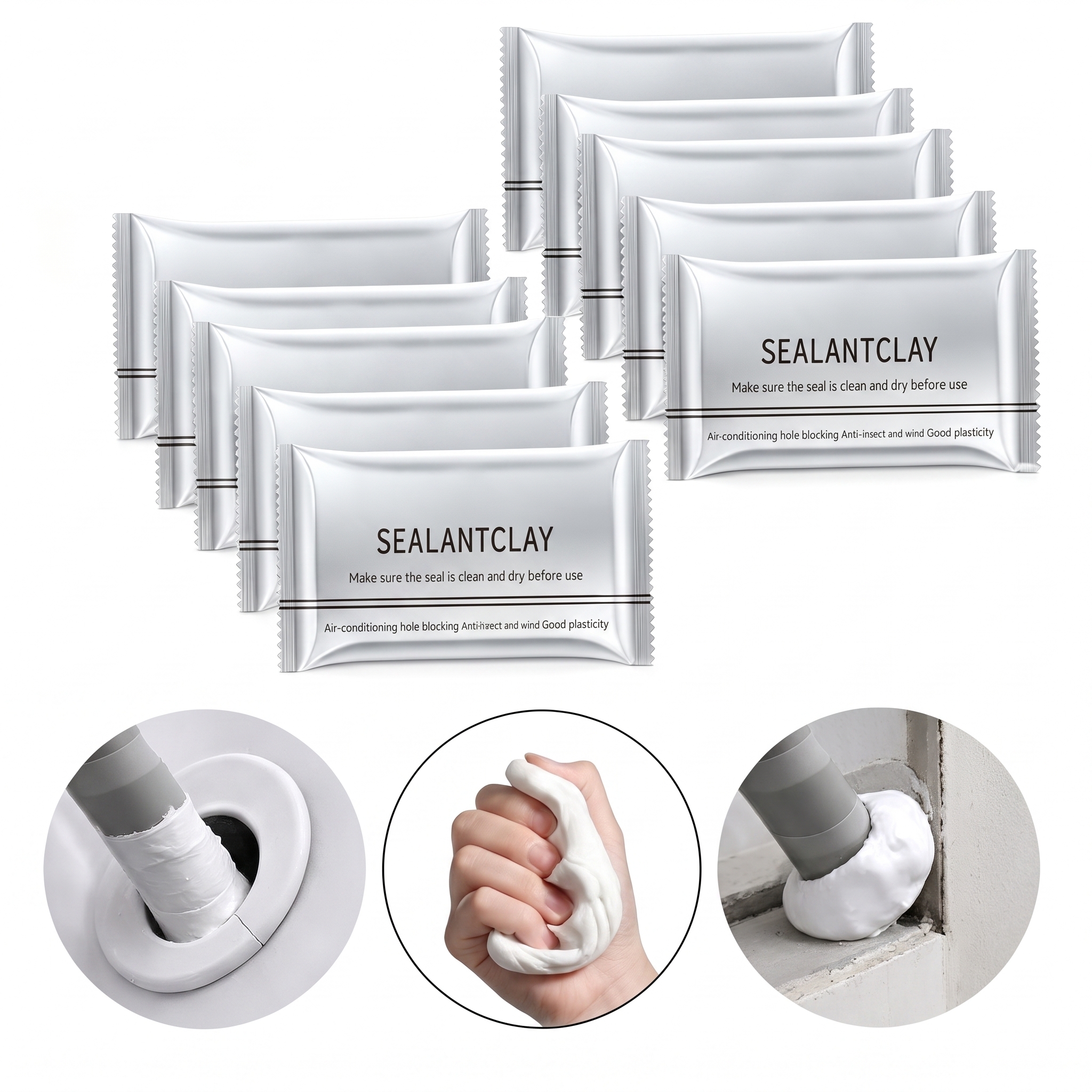
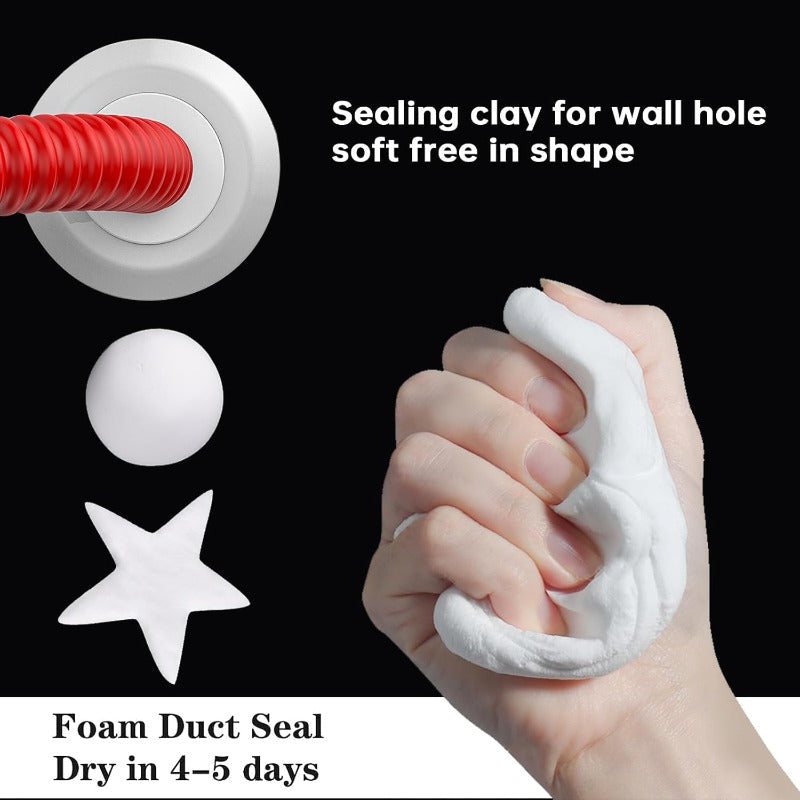
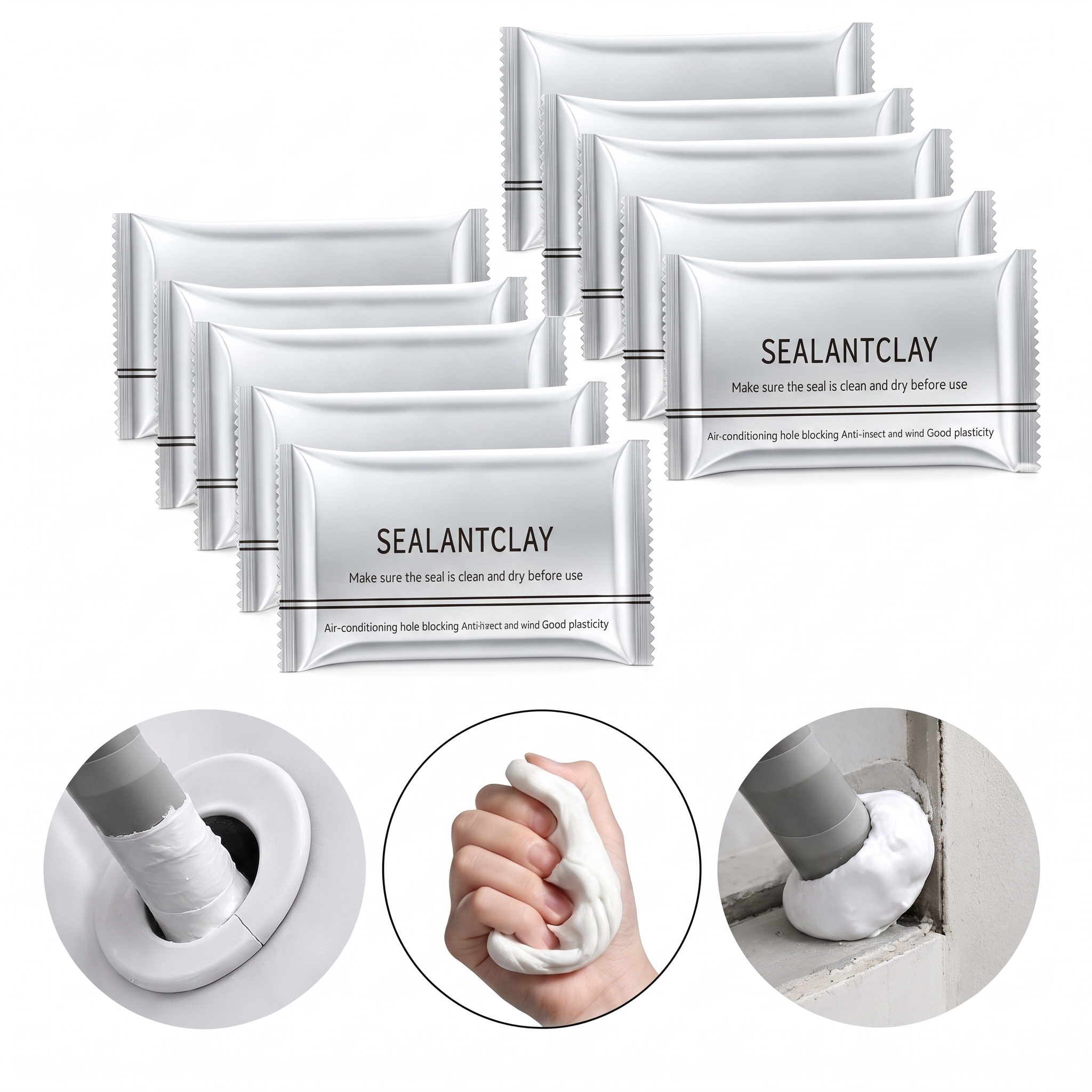
Simply knead the clay and press into cracks or voids. Easily conforms to uneven edges and stays firmly in place after curing.
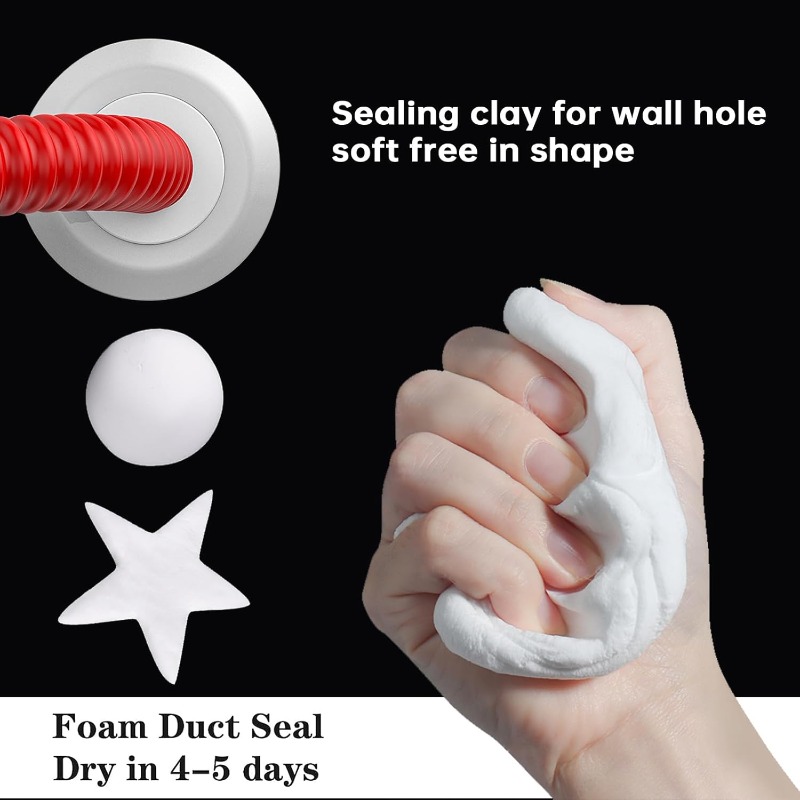
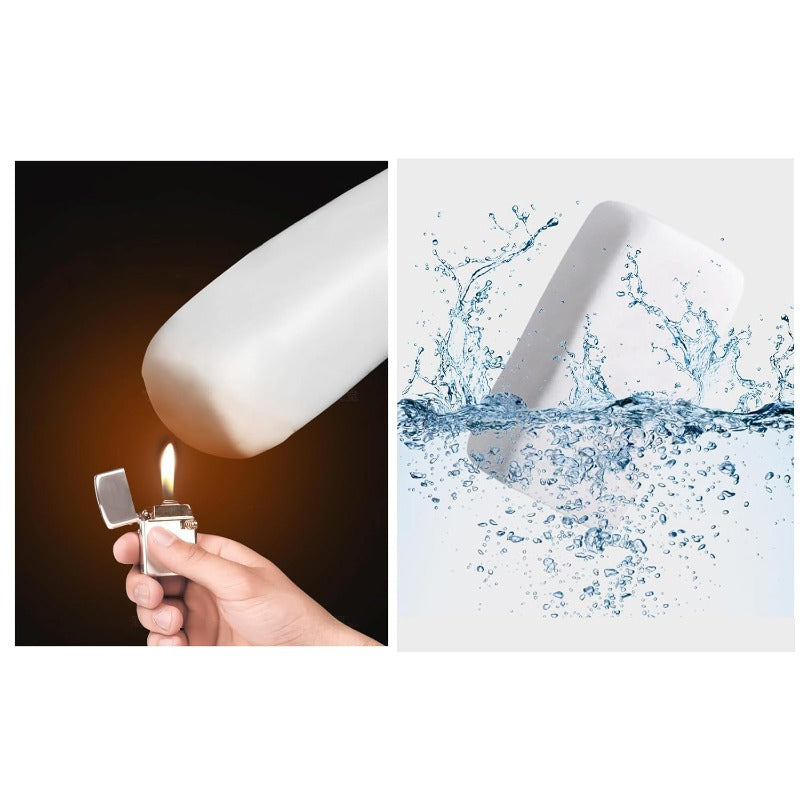
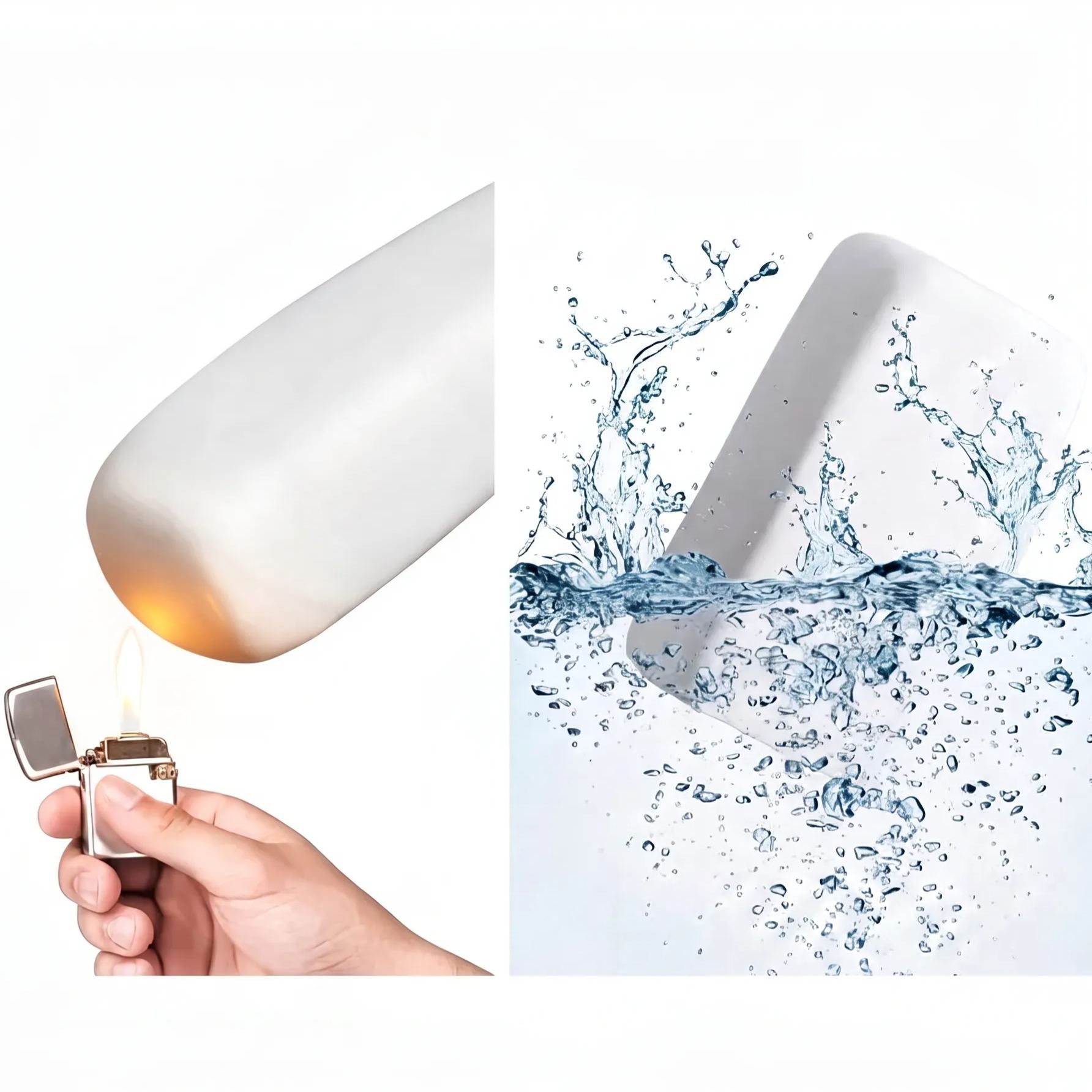
Waterproof & Odor Resistant
Once set, the surface becomes water-resistant and helps block odors, moisture, and air leaks—ideal for indoor sealing use.
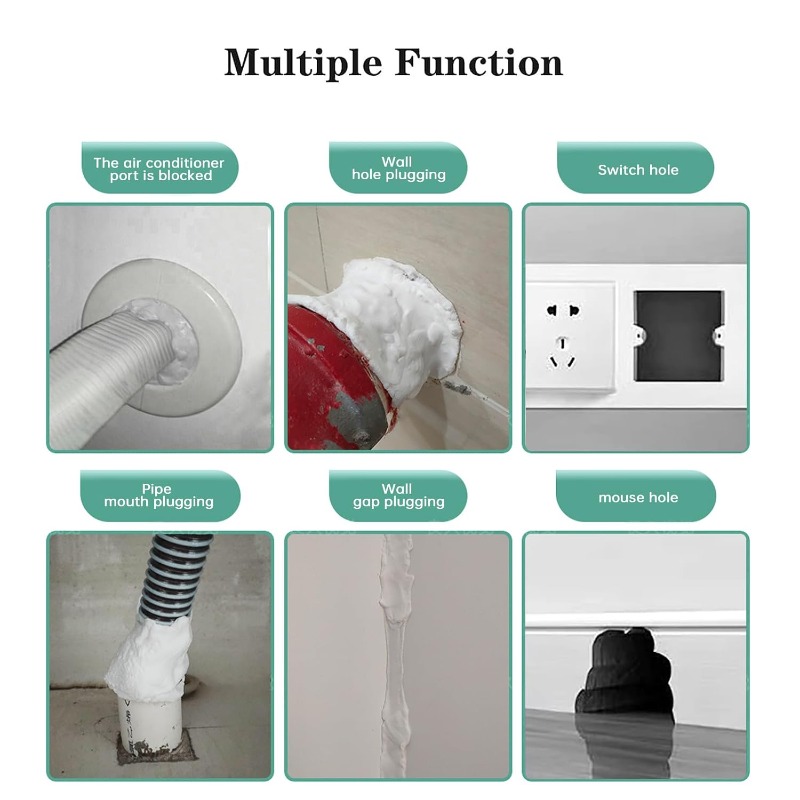
Use Anywhere You Need
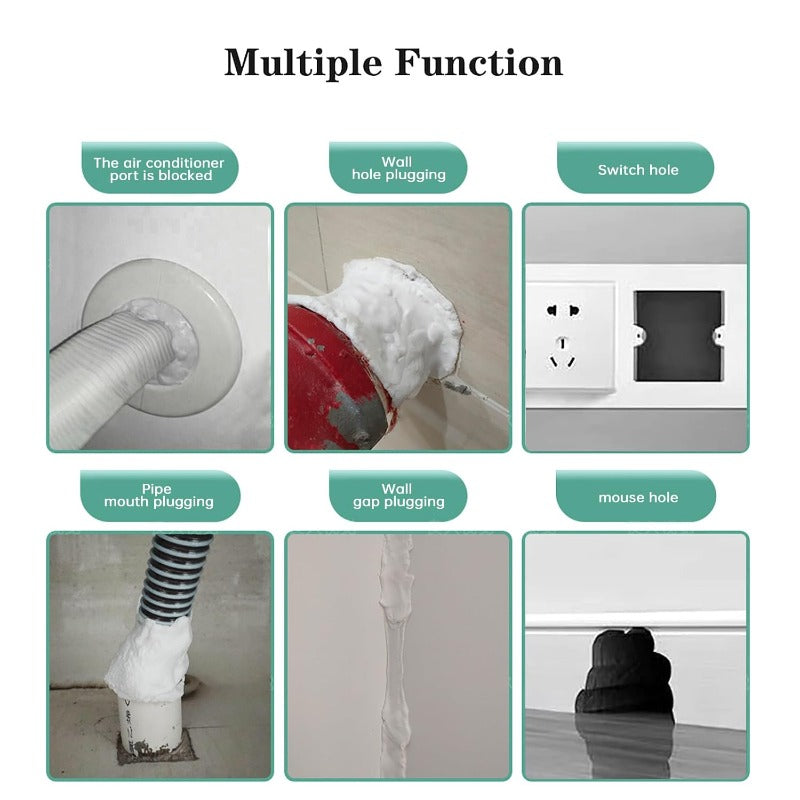
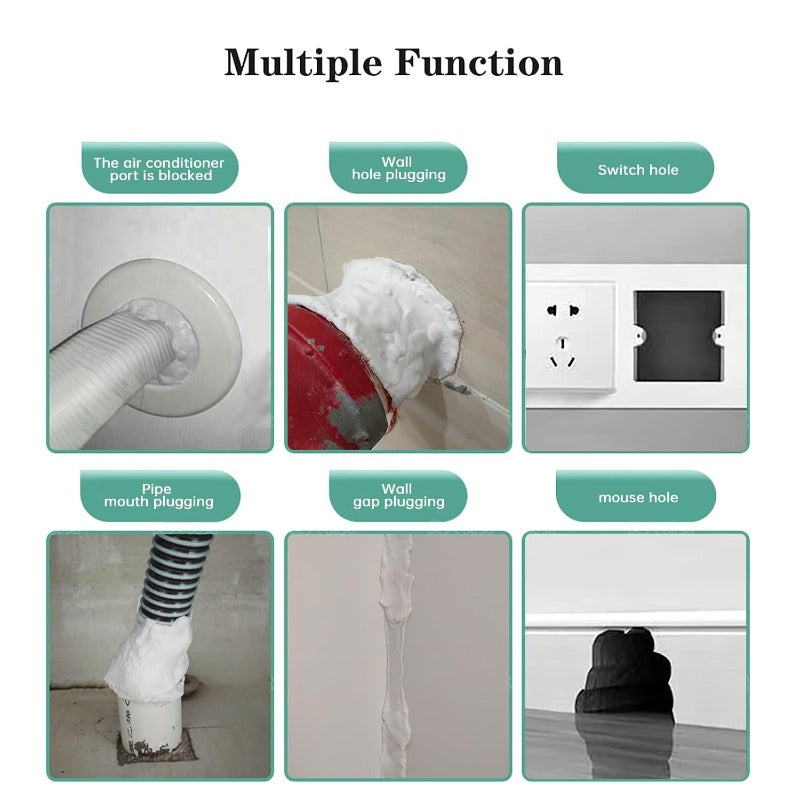
Perfect for AC wall gaps, pipe pass-throughs, electrical boxes, cable holes, and cracked drywall—great for homes and RVs.
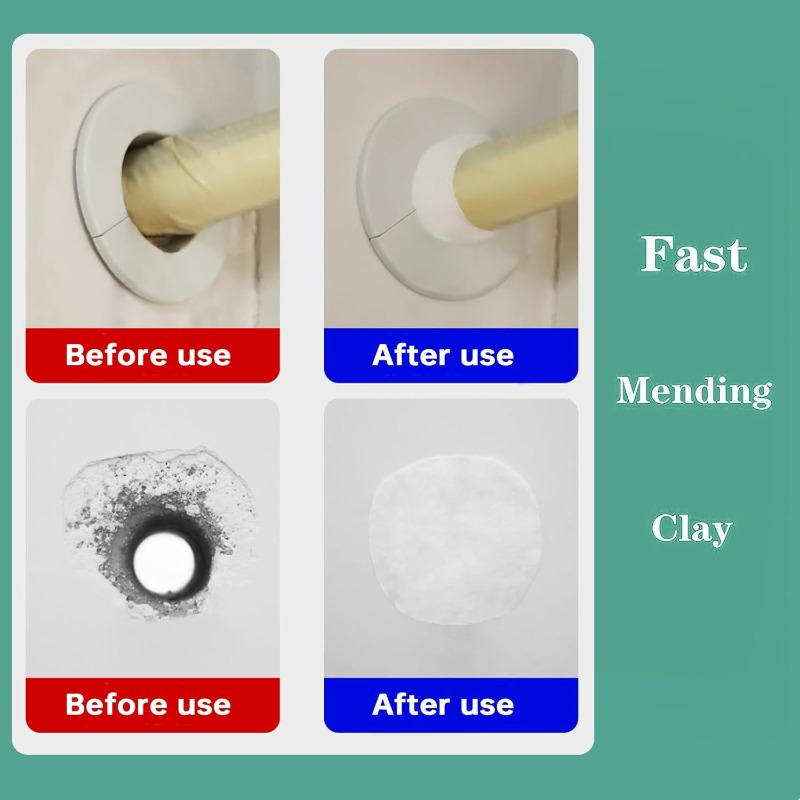
No Mixing or Tools
Ready to use straight from the pouch—just shape, press, and smooth. No drips, no mixing, and no cleanup needed.
HOW TO USE
-
Clean and dry the surface thoroughly.
-
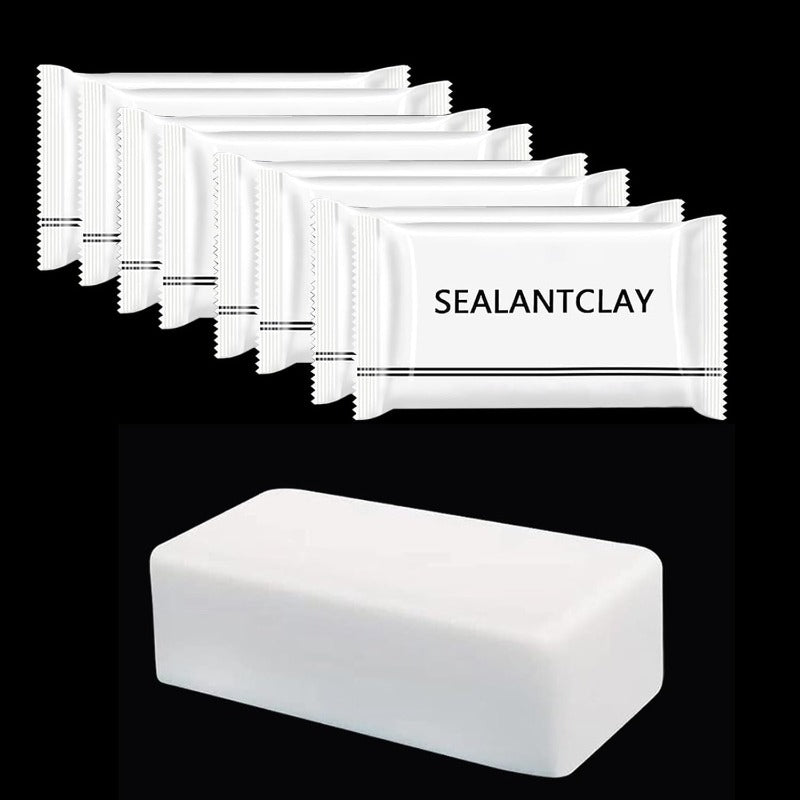
Tear open a pack and take the desired amount of clay.
-
Mold it into shape and press it firmly into place.
-
Let it air dry for 3–5 days until fully solidified.
⚠️ Avoid contact with water before it's completely dry.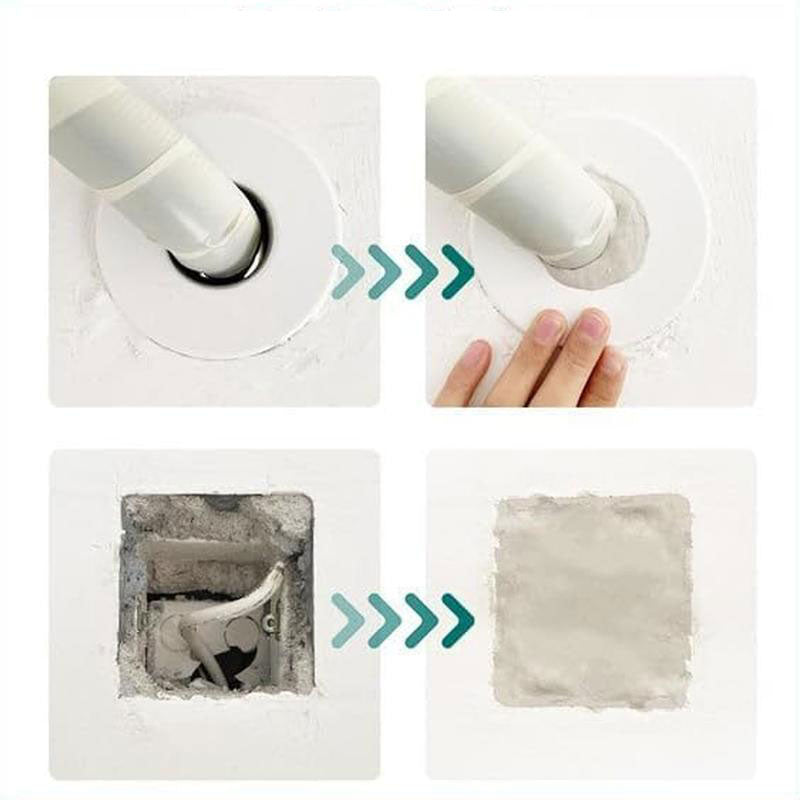
📏 Specifications
| Form | Moldable sealing clay / putty |
| Color | White |
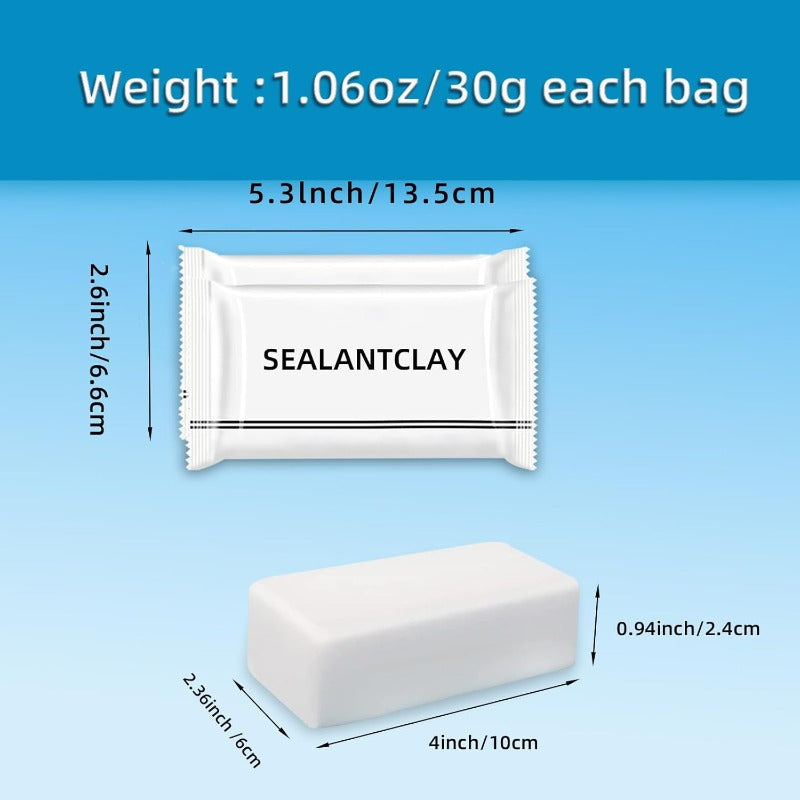
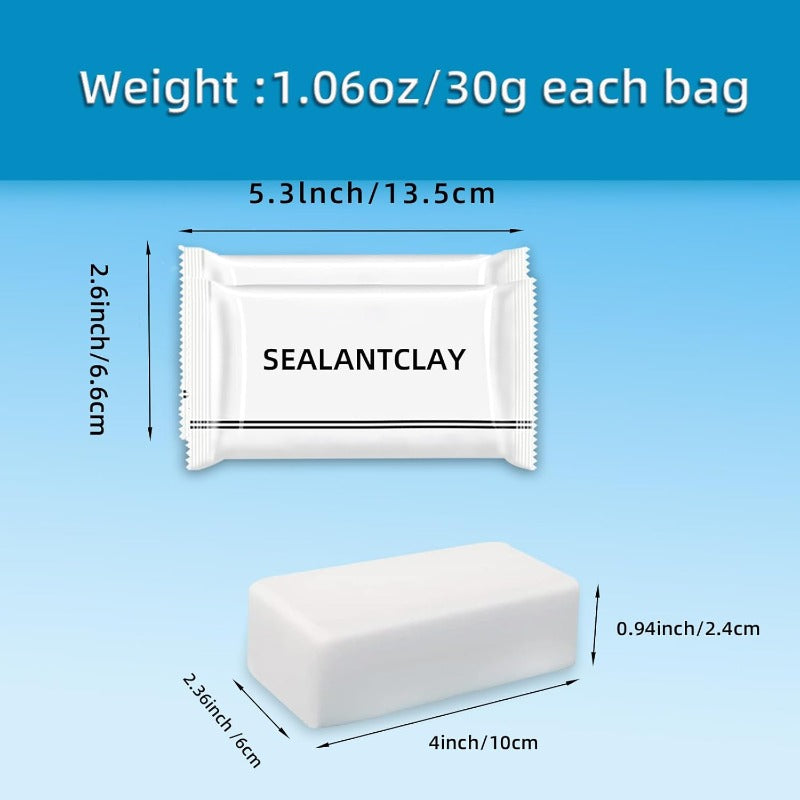
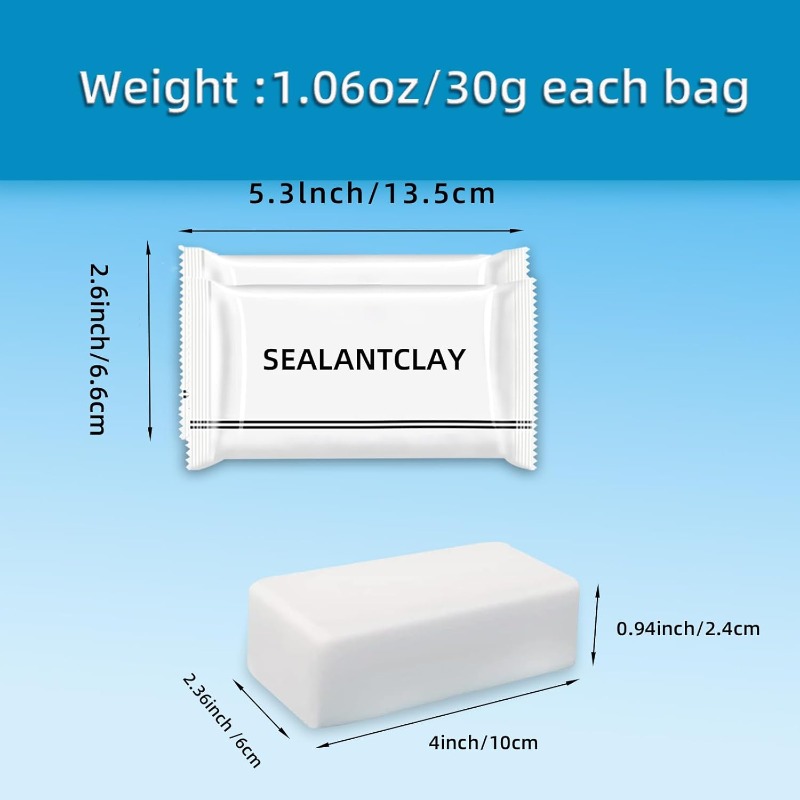
| Block Dimensions (approx.) | 10 × 6 × 2.4 cm ≈ 3.94 × 2.36 × 0.94 in |
| Total Weight | Approx. 240 g ≈ 8.47 oz (0.53 lb) |
| Cure Time | 3–5 days depending on thickness, temperature, and humidity |
| Suitable Surfaces | Drywall, concrete, brick, PVC, metal, ceramic, glass |
❓ FAQ
1. Is it waterproof after curing?
Yes. The cured surface resists water and is suitable for blocking minor leaks around walls or ducts.
2. Can I paint over it?
Yes—after it’s completely cured. Test your paint on a small spot first.
3. Is it removable?
Yes. You can cut or pull it out later if necessary for adjustments or repairs.
4. Where should I avoid using it?
Avoid areas that are constantly wet, structurally shifting, or require flexibility after curing.
5. How much area does it cover?
One or two pieces generally fill small holes or cracks. Larger gaps may need layering or extra clay.